
Summit Conservation

Period Property Maintenance

Breathable Damp Solutions for Period Properties

Traditional buildings were designed to breathe. We investigate where moisture is coming from, then repair the building in materials that let it dry.

How a traditional building manages moisture

Georgian, Victorian and Edwardian buildings were constructed with lime mortar, lime render, natural stone and solid masonry. These materials absorb moisture and release it again — the wall works as a system that dries outwards, and the building stays in balance as long as that process is allowed to continue.

Inappropriate modern interventions can interrupt it. Hard cement renders, unsuitable repairs, failed or cracked pointing, blocked ventilation and defective rainwater systems can all contribute to moisture becoming trapped within historic building fabric. The result usually shows up somewhere other than its cause, which is why diagnosis matters more than any single product or treatment.

Not every damp issue has the same origin, and we don't assume one. Our approach is to investigate the source first, share what we find, and then recommend conservation-appropriate repairs proportionate to the problem.

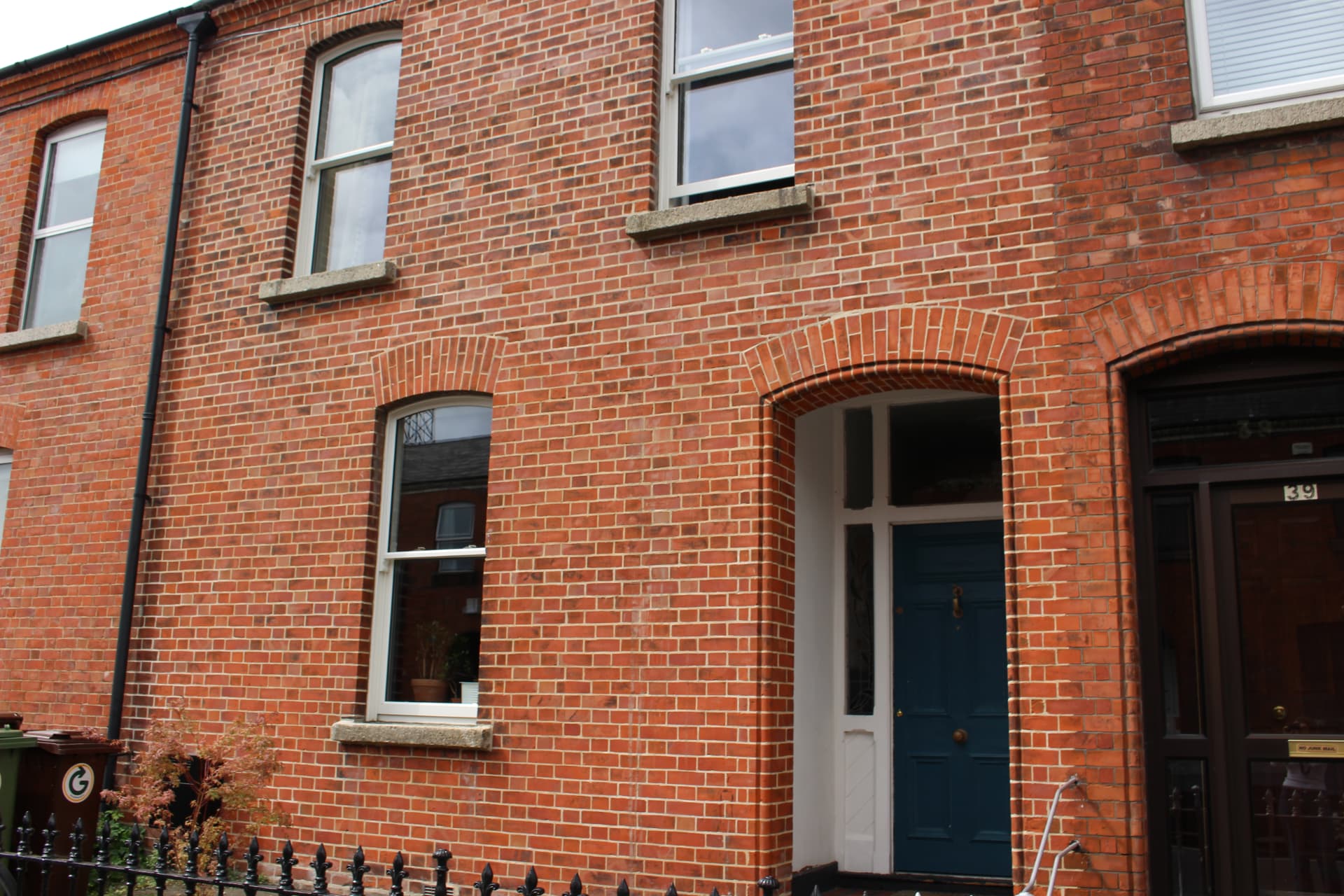
Historic lime-rendered elevation on a Georgian property

01

Moisture & Damp Investigations

Moisture inside a historic building rarely has a single cause, and the visible symptom is often some distance from the source. We investigate first — externally and internally — and only then recommend repairs.

  • Water ingress through masonry and openings
  • Chimney moisture and flue-related damp
  • Façade saturation on exposed elevations
  • Roof leaks and failed flashing
  • Trapped moisture behind impermeable finishes
  • Cracked and defective pointing
Discuss Your Property
Moisture & Damp Investigations

02

Lime Repointing & Breathable Masonry Repairs

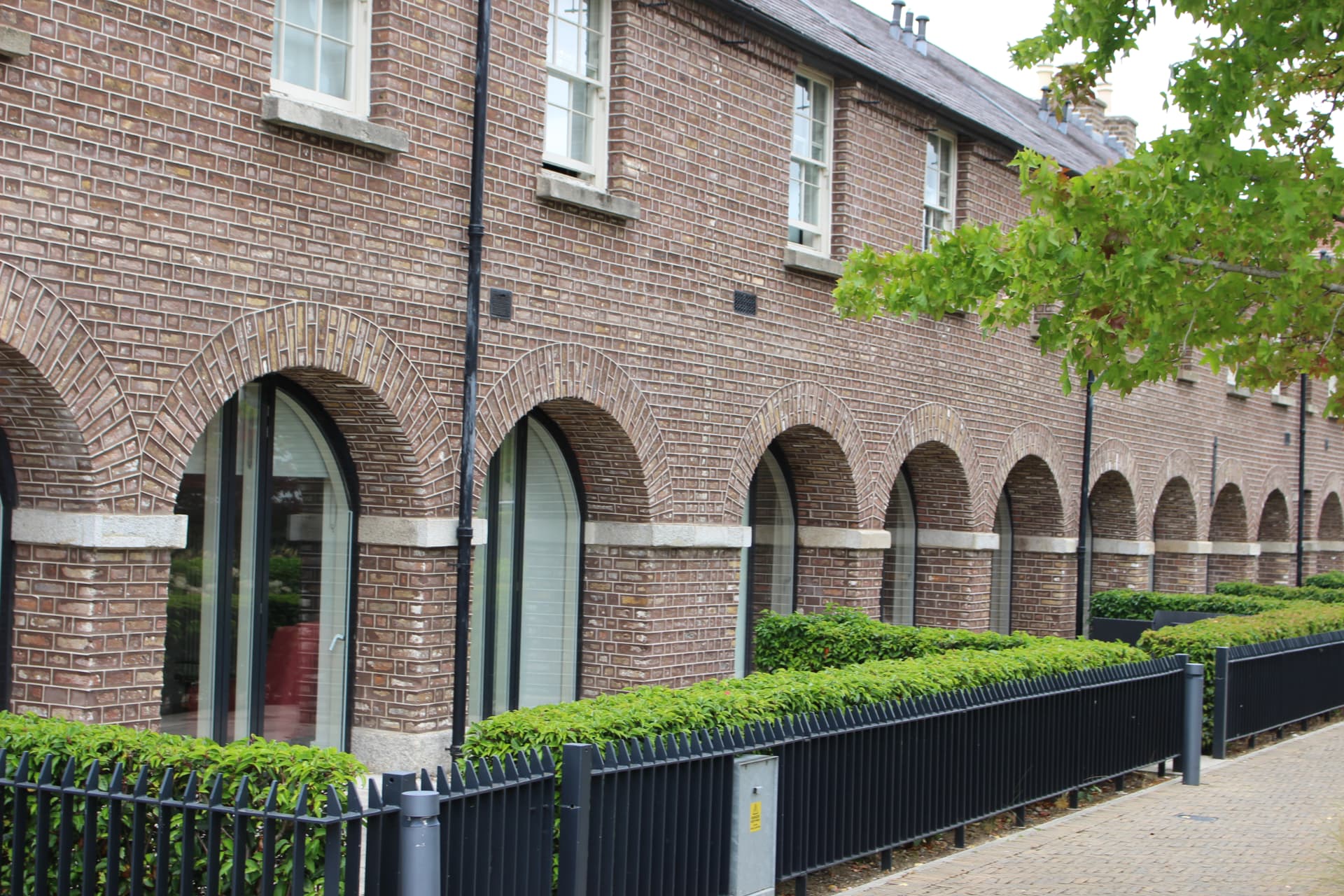
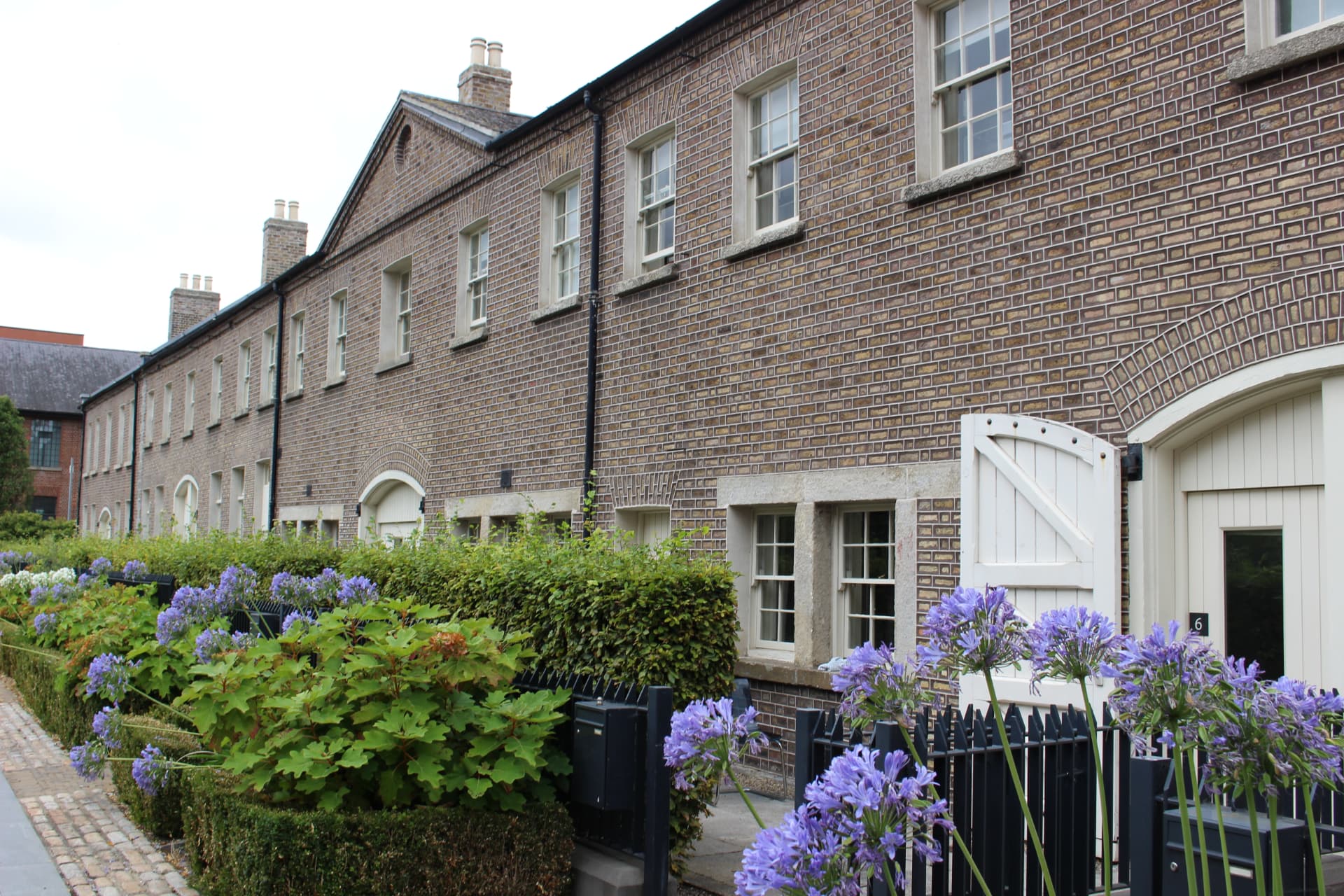
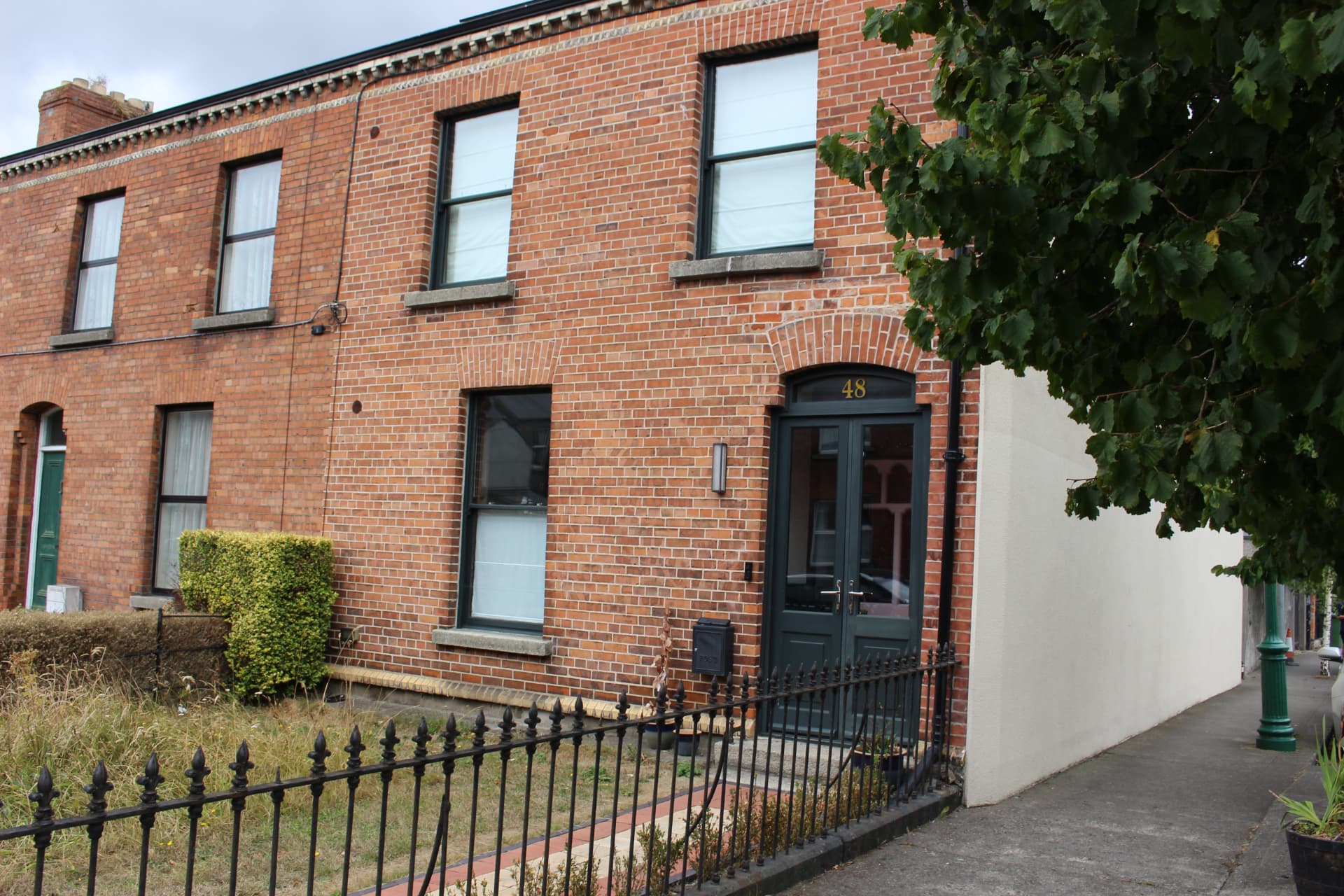
Hard cement pointing prevents a solid wall from releasing moisture through its joints, pushing it instead through the face of the brick or stone. Careful removal and repointing in a matched lime mortar restores the wall's original moisture behaviour.

  • Removal and replacement of inappropriate hard cement mortar
  • Mortar analysis and bespoke lime matching
  • Restoration of breathable construction
  • Traditional masonry repairs and stone replacement
Discuss Your Property
Lime Repointing & Breathable Masonry Repairs

03

Lime Rendering & Plaster Repairs

Where non-breathable cement render is trapping moisture in a solid wall, it can be carefully removed and replaced with a traditional lime system. Removal is never automatic — it is recommended only where the evidence supports it.

  • Careful removal of inappropriate cement render where necessary
  • Three-coat external lime render and harling
  • Internal lime plaster repair and replacement
  • Limewash and breathable mineral finishes
Discuss Your Property
Lime Rendering & Plaster Repairs

04

Roof, Flashing & Rainwater Repairs

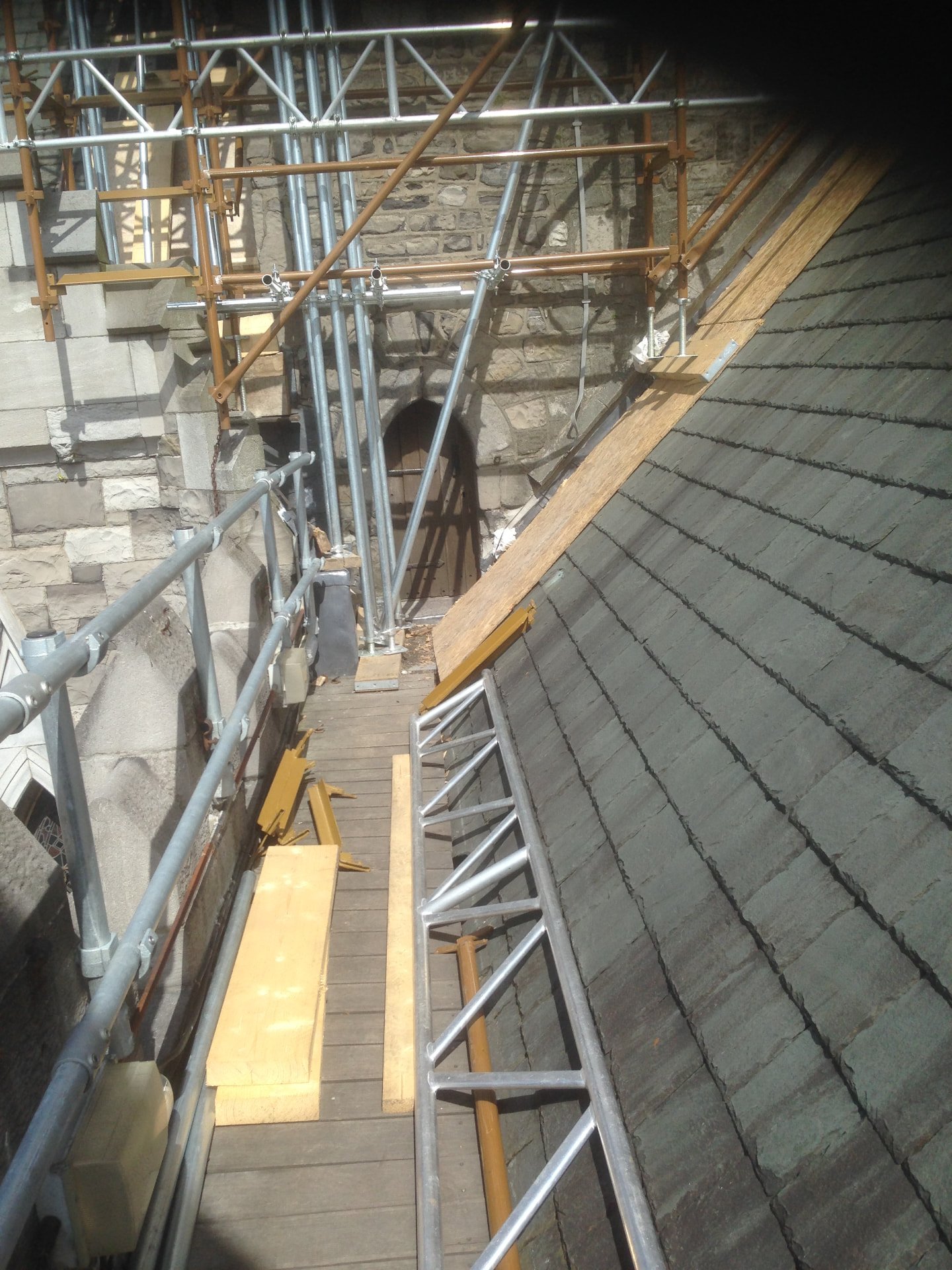
Moisture appearing internally can originate from external building defects a floor or more above. Blocked gutters, split downpipes, failed flashing and open chimney detailing are among the most common sources we find.

  • Gutter and downpipe repair, renewal and clearing
  • Lead flashing repairs and replacement
  • Roof covering and slate repairs
  • Chimney detailing and flaunching
Discuss Your Property
Roof, Flashing & Rainwater Repairs

05

Breathable Surface Treatments

Where an exposed elevation needs additional protection, vapour-permeable treatments can reduce wind-driven rain absorption while still allowing the wall to dry outwards. They are specified as part of a wider repair strategy, never as a substitute for one.

  • Vapour-permeable façade protection
  • Sacrificial shelter coats and limewash
  • Appropriate moisture-management detailing
  • Aftercare and maintenance guidance
Discuss Your Property
Breathable Surface Treatments

Common questions

Damp in historic buildings

Why shouldn't a period property be treated like a modern building?

Traditional buildings were constructed with lime mortar, lime render, natural stone and solid masonry, and were designed to absorb and release moisture. Modern impermeable materials work on the opposite principle, so applying them to a solid wall can hold moisture within the fabric instead of allowing it to escape.
Does damp in a Georgian house always mean rising damp?

No. Moisture in historic buildings has many possible causes — roof and rainwater defects, failed flashing, cracked or cement pointing, chimney moisture, façade saturation and trapped moisture behind impermeable finishes. We investigate the source before recommending any repair.

Will you always remove cement render?

Only where the evidence supports it. Removal is carried out carefully and where it is judged to be contributing to moisture being held in the wall, and is then replaced with a traditional lime system.

Do you work on protected structures?

Yes. Much of our work is on protected structures and buildings within architectural conservation areas, alongside conservation architects and local authority conservation officers. Works to a protected structure often require a declaration or consent, and we prepare the method statements needed.

Related work

Breathable repair usually involves lime repointing and masonry repair, chimney and roof repairs and façade restoration. Ongoing care is covered under Period Property Maintenance.

Discuss your project

Every building requires an individual approach.

Our skilled stonemasons, bricklayers and conservators specialise in repairing and preserving historic façades and period properties. We look at the building first, establish what is actually happening to it, and then recommend the repairs that suit its materials and construction.

No-obligation site visits and quotations available.