Summit Conservation

Conservation & Restoration

Brick & Stone Conservation

Conservation-led masonry repair carried out by specialist stonemasons and bricklayers, in materials matched to the original fabric.

Repair the cause, not only the symptom.

Historic masonry decays for identifiable reasons — cement pointing, corroding iron cramps, water ingress, structural movement. We establish the cause first, keep replacement to the minimum the building genuinely needs, and salvage or closely match replacement materials wherever possible.

Compatible lime mortars matter. A mortar softer and more permeable than the surrounding masonry allows moisture and salts to move out through the joint rather than through the face of the brick or stone, maintaining the breathability the wall was built with. Cement does the opposite, and remains the most common cause of accelerated stone decay we encounter in Ireland.

01

Brick & Stone Replacement

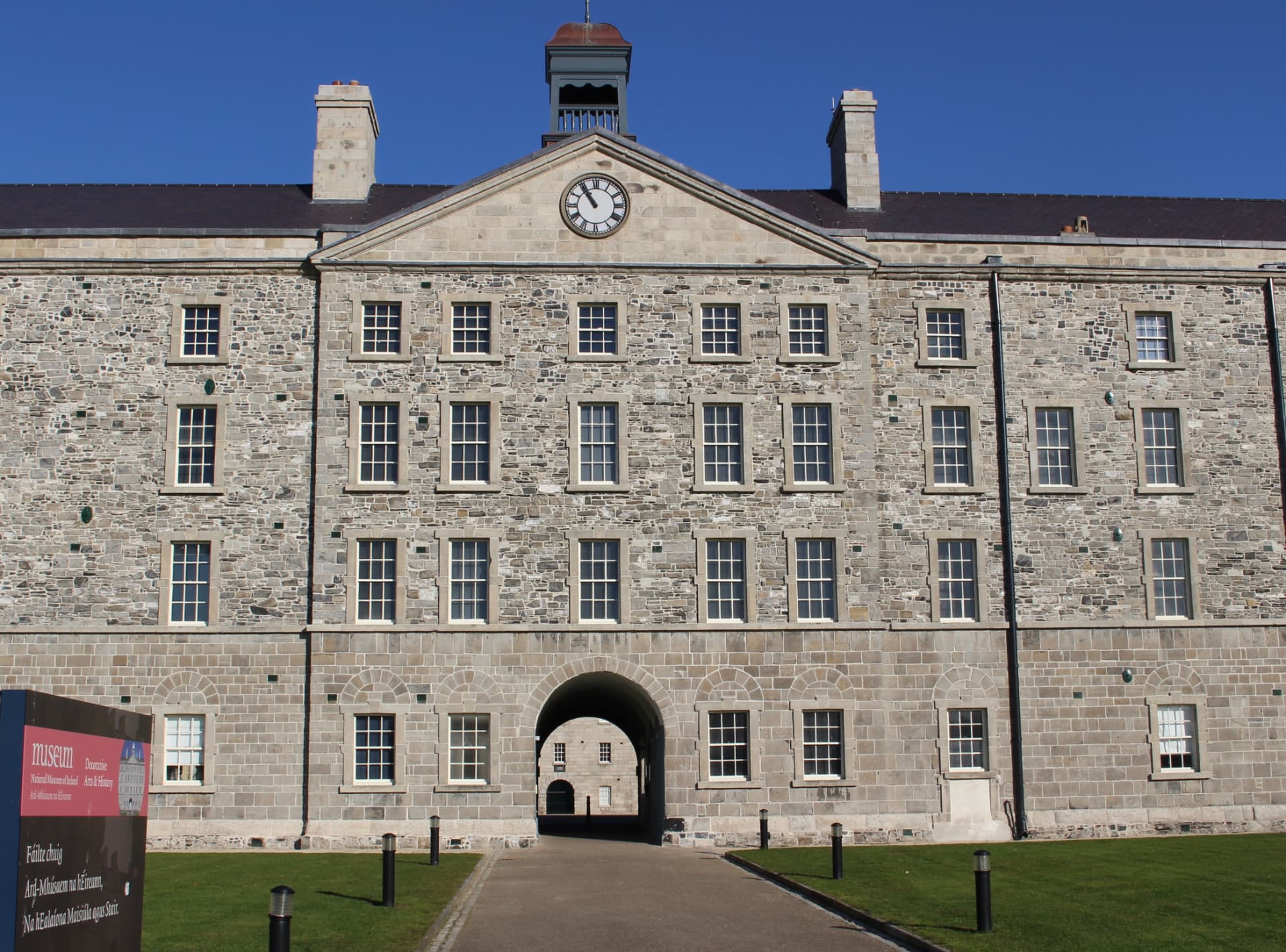
Decayed units are cut out and replaced with salvaged material wherever possible, or with new stone and brick matched for geology, bed, colour, texture and tooling. Replacement is kept to the minimum the building genuinely needs.
02

Lime Mortar Repairs

Mortars are matched by analysis to the original binder and aggregate. Compatible lime mortars stay softer than the masonry around them, so weathering and salt movement occur in the joint rather than in the face of the stone.

03

Repointing

Failed or inappropriate cement pointing is raked out by hand without widening the joint, then repointed in matched lime and finished to the historic joint profile.

04

Structural Masonry Repairs

Rebuilding of failed arches, openings, parapets and rubble core walls, carried out in matched materials with stainless fixings only where structurally required.

05

Structural Crack Stabilisation

Live cracking is stabilised using concealed helical reinforcement bedded into raked joints. Summit has extensive experience with the Thor Helical crack stitching system, specified alongside a structural engineer and invisible on completion.

06

Lime Plastering & Rendering

Three-coat internal lime plaster, external lime render and harling in hot-mixed and lime putty systems, with hair-reinforced backing coats and traditional finishes.

07

Breathable Surface Treatments

Vapour-permeable shelter coats, limewash and mineral finishes that shed water while allowing the wall to continue to release moisture.

Traditional repointing

Joint profiles matched to the elevation.

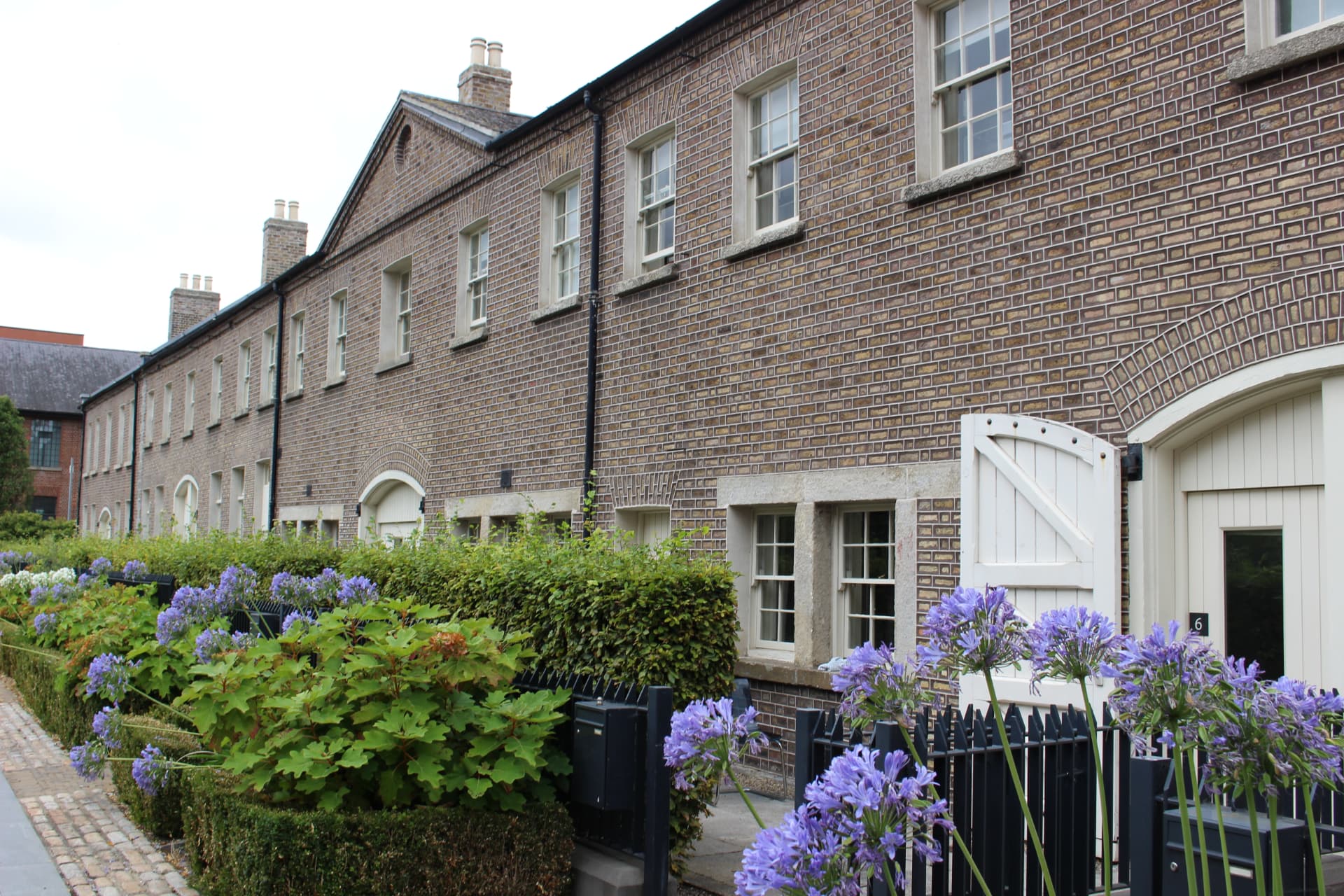
Pointing is raked out by hand without widening the joint, packed in layers to full depth in matched lime mortar, then finished to the profile the building originally carried.

Traditional lime repointing to a historic brick elevation

Standard Lime Conservation Joints

A flush or slightly recessed joint in matched lime mortar, beaten back and brushed to expose the aggregate — the default conservation finish on most historic masonry.

Wigging

A fine raised ribbon of lime mortar run along the joint, a traditional Irish and British finish found on many Georgian and Victorian brick elevations.

Weather Struck Pointing

An angled joint that sheds water clear of the masonry below, used where the original elevation was detailed that way.

Flush Pointing

Mortar finished level with the face of the masonry, appropriate for rubble stonework and many render-less vernacular walls.

Related work

Masonry repair is usually carried out alongside façade cleaning and restoration, and lime repointing is central to our breathable damp solutions for period properties. Exposed chimney stacks are often the first masonry on a building to need attention.

Discuss your project

Every building requires an individual approach.

Our skilled stonemasons, bricklayers and conservators specialise in repairing and preserving historic façades and period properties. We look at the building first, establish what is actually happening to it, and then recommend the repairs that suit its materials and construction.

No-obligation site visits and quotations available.