01
Steam Cleaning
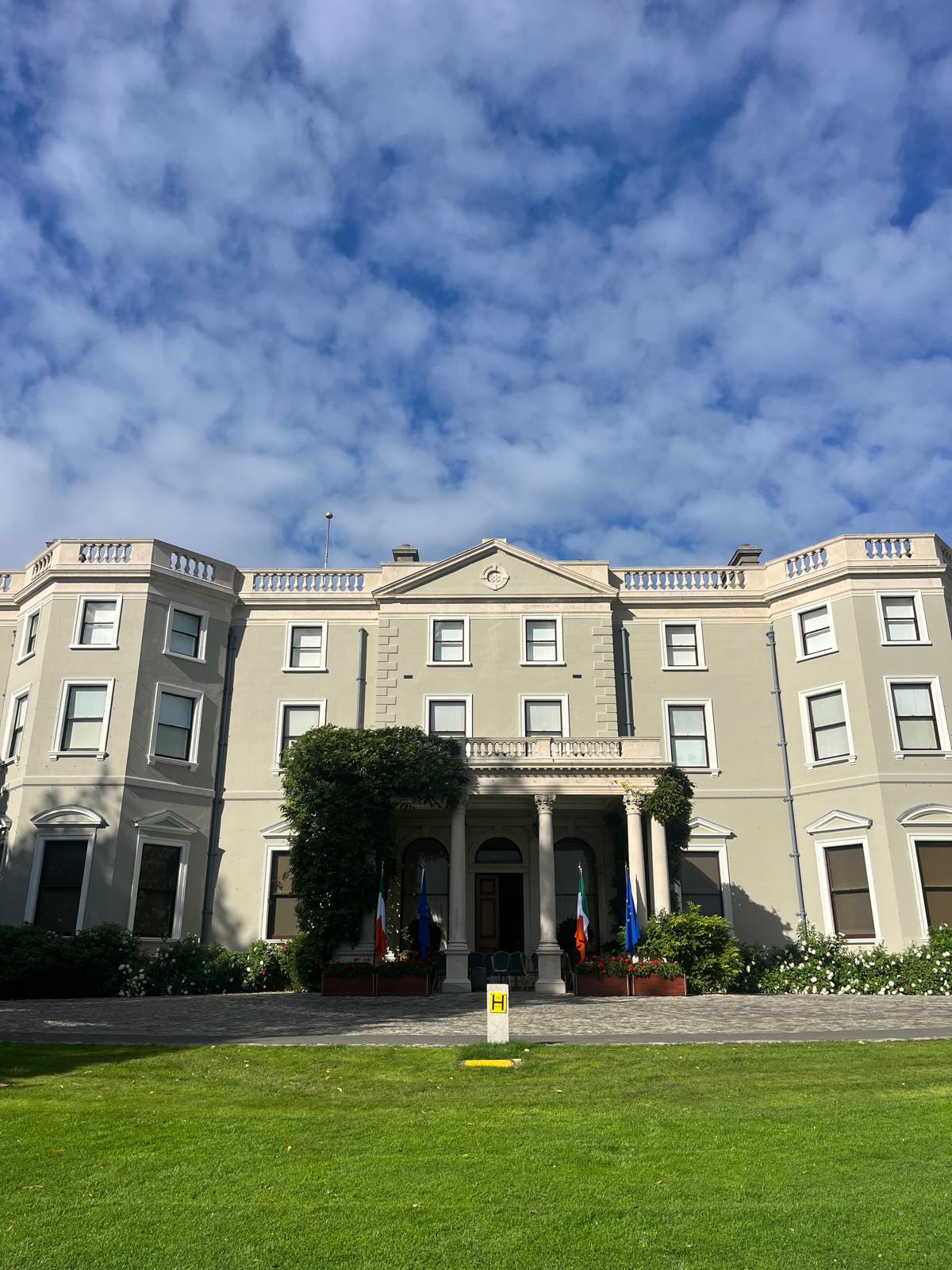
Low-pressure superheated steam lifts soiling and biological growth from brick, stone and render without abrading the surface. Gentle, water-efficient and well suited to soft historic structure.

Conservation & Restoration
Cleaning historic stone and brick is a conservation decision, not a cosmetic one. The right method depends entirely on the building in front of us.
Historic façades require a careful, building-specific approach.
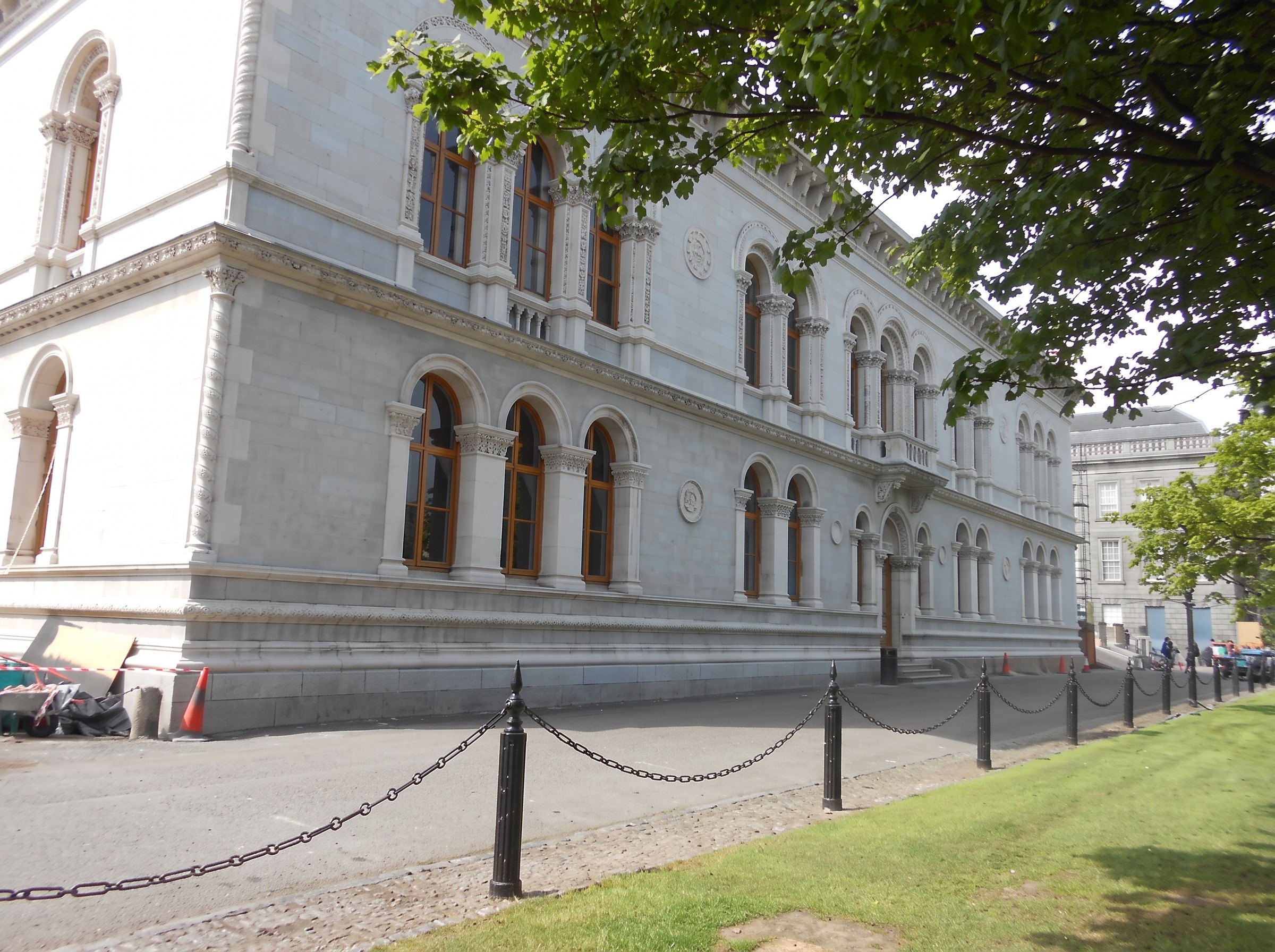
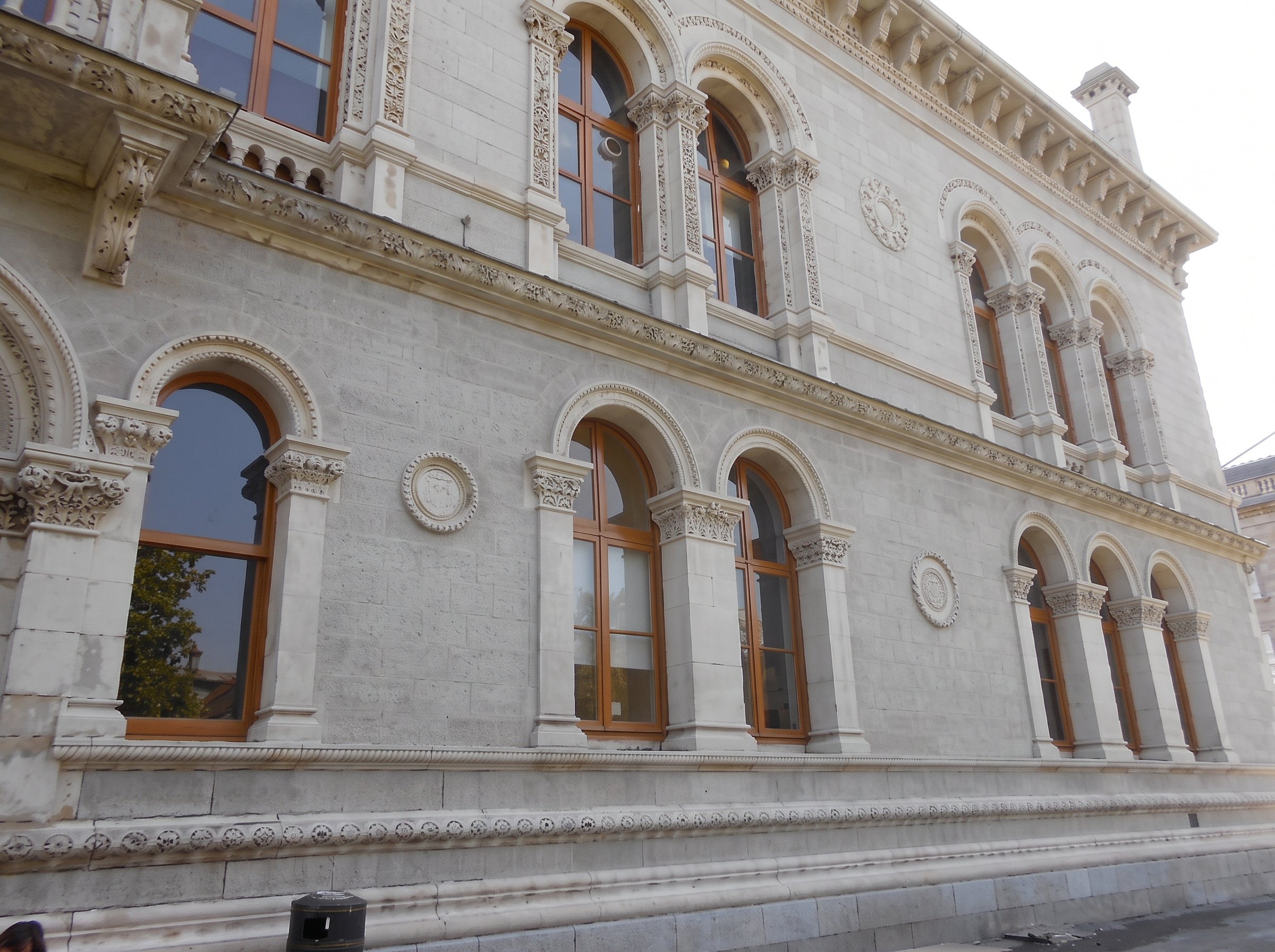
Age, materials, environmental exposure and previous interventions all change how an elevation should be treated. A soot-blackened calp limestone church in the city behaves very differently to a painted Georgian brick terrace or a granite institutional façade, and a method that suits one can permanently damage another. Over-aggressive cleaning removes the fired or weathered surface and accelerates decay for the next hundred years.
Every project therefore begins with inspection and assessment, and the presumption is always in favour of the gentlest effective method. Where a building is a protected structure, cleaning and restoration works may require planning or conservation approval before they begin — we prepare the trial records, method statements and specifications needed to support that process.
Our process
Close inspection of each elevation to record materials, previous interventions, coatings and areas of decay.
Soiling type, mortar condition and moisture behaviour assessed so the cleaning method suits the building rather than the schedule.
Where appropriate, trial panels compare several methods side by side and are reviewed with the architect or conservation officer before general work begins.
Protected structures may require planning or conservation approval. We prepare the method statements and photographic records needed to support an application.
Work proceeds progressively at the lowest effective setting, with repair and repointing carried out as part of the same programme.
Cleaning methodologies
01
Low-pressure superheated steam lifts soiling and biological growth from brick, stone and render without abrading the surface. Gentle, water-efficient and well suited to soft historic structure.
02
A controlled high-temperature, low-pressure system used to remove paint, biological growth and heavy soiling. Temperature, pressure and nozzle distance are calibrated on trial panels for each substrate.
03
A fine, intermittent water mist softens gypsum crusts over time so that soiling can be brushed away. The gentlest method available and often the right choice for carved detail and friable limestone.
04
Poultice and gel systems, selected by substrate and soiling type, used where water and steam alone are insufficient. Always neutralised and rinsed, and only after trial areas are approved.
05
Fine inert media applied at very low, calibrated pressures for targeted removal of stubborn crusts and coatings. Used selectively rather than as a general cleaning method.
06
Graffiti removed using the least aggressive system that will work on that substrate, followed where appropriate by breathable sacrificial protection to make future removal easier.
07
Removal of masonry paints, cementitious coatings and limewash that trap moisture in solid walls, restoring the breathability of the original façade.
08
Whole-elevation cleaning programmes for brick, granite, limestone, sandstone and calp, sequenced with repair and repointing so the elevation is finished as one.
Cleaning is usually one stage of a wider programme. Elevations are typically finished alongside brick and stone conservation and lime repointing, with chimney and roof repairs carried out while access is in place. For period homes, see Period Property Maintenance.
Discuss your project
Our skilled stonemasons, bricklayers and conservators specialise in repairing and preserving historic façades and period properties. We look at the building first, establish what is actually happening to it, and then recommend the repairs that suit its materials and construction.
No-obligation site visits and quotations available.