Restoration
Façade Restoration
Complete conservation-led restoration of historic façades — cleaning, repair, repointing and protection of the public face of a building.
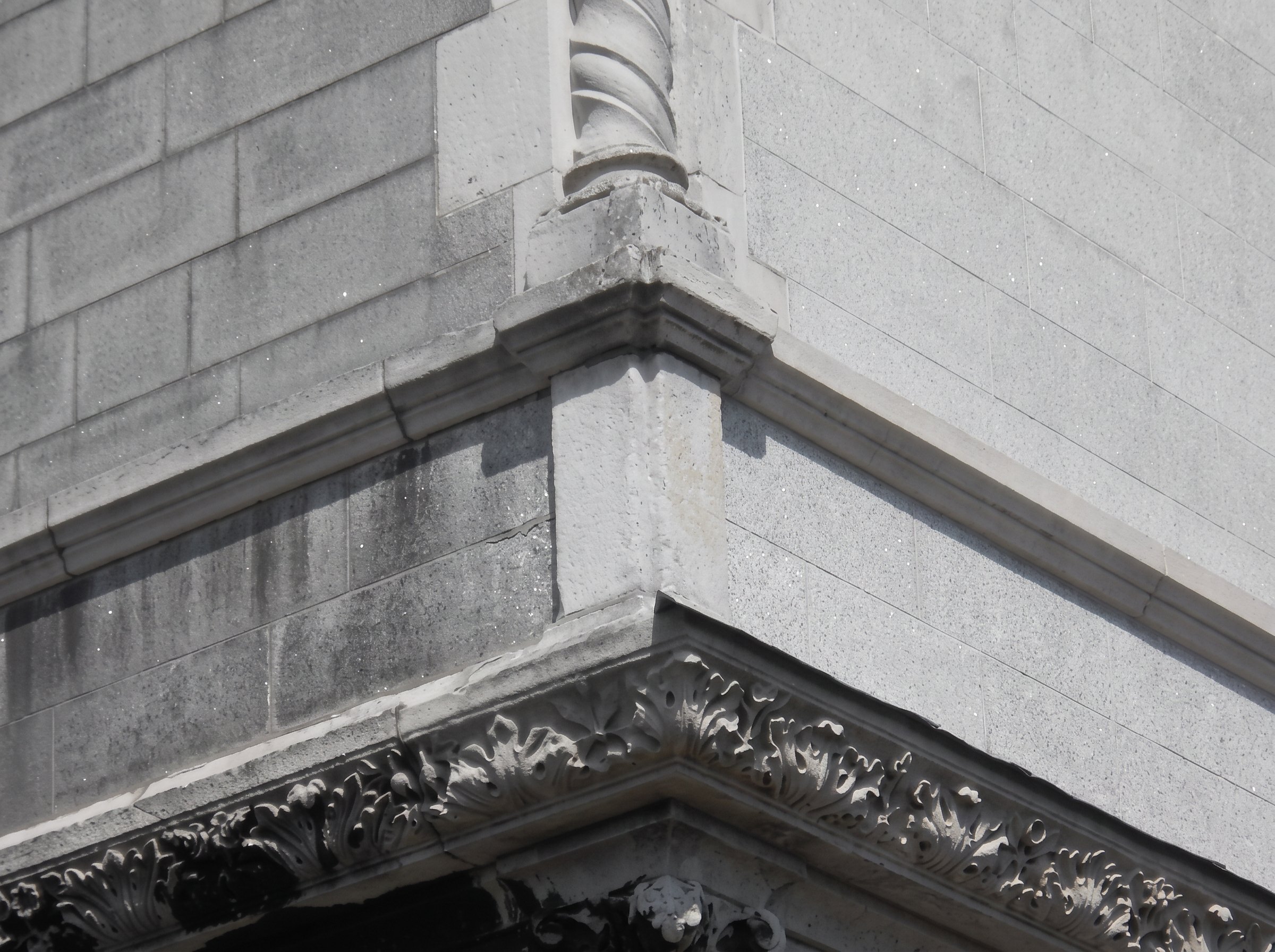
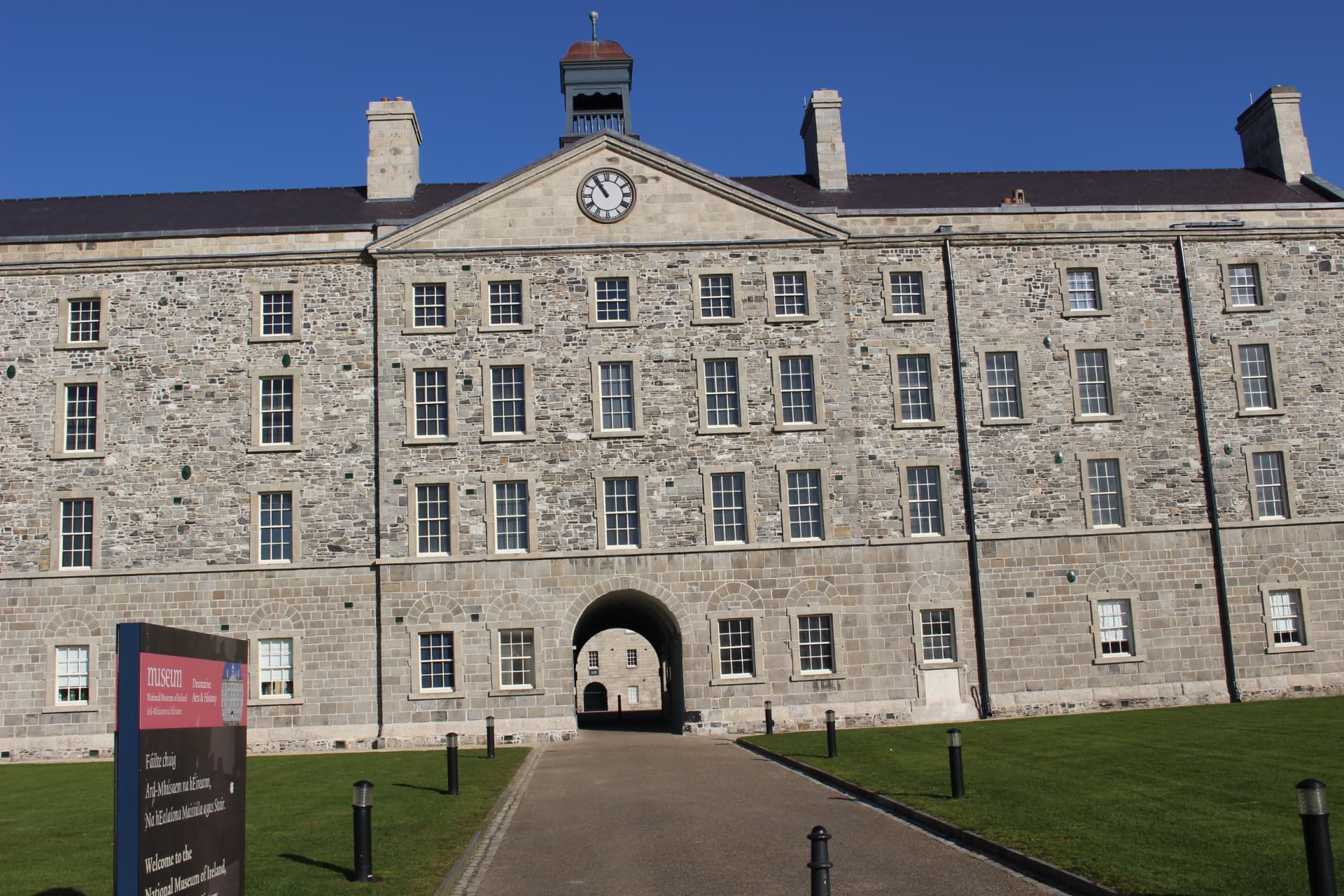
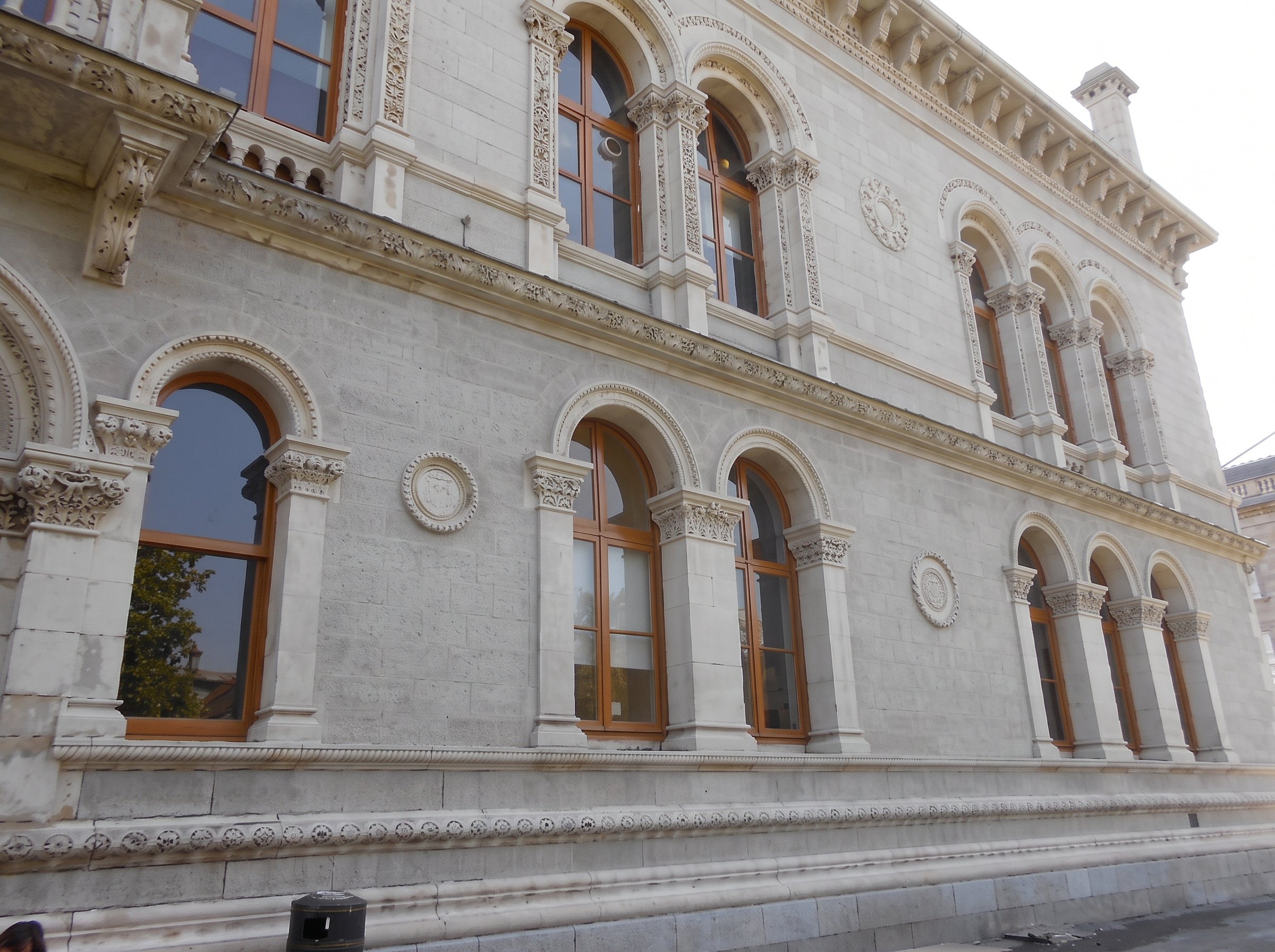
A façade carries the entire architectural story of a building. Our façade restoration programmes begin with a detailed condition survey and material analysis, and end with a breathable, structurally sound elevation that reads exactly as the original designer intended. Every intervention is recorded, reversible where possible and specified to the principles of minimal intervention.
What this includes
- Steam cleaning and superheated water systems
- Chemical (poultice) cleaning for soiled limestone and granite
- Biological growth removal and long-term biocide treatment
- Nebulous water cleaning for delicate carved detail
- Micro-abrasive blast cleaning at calibrated pressures
- Paint and coating removal from historic stone and brick
- Planning advice and Section 57 support for protected structures
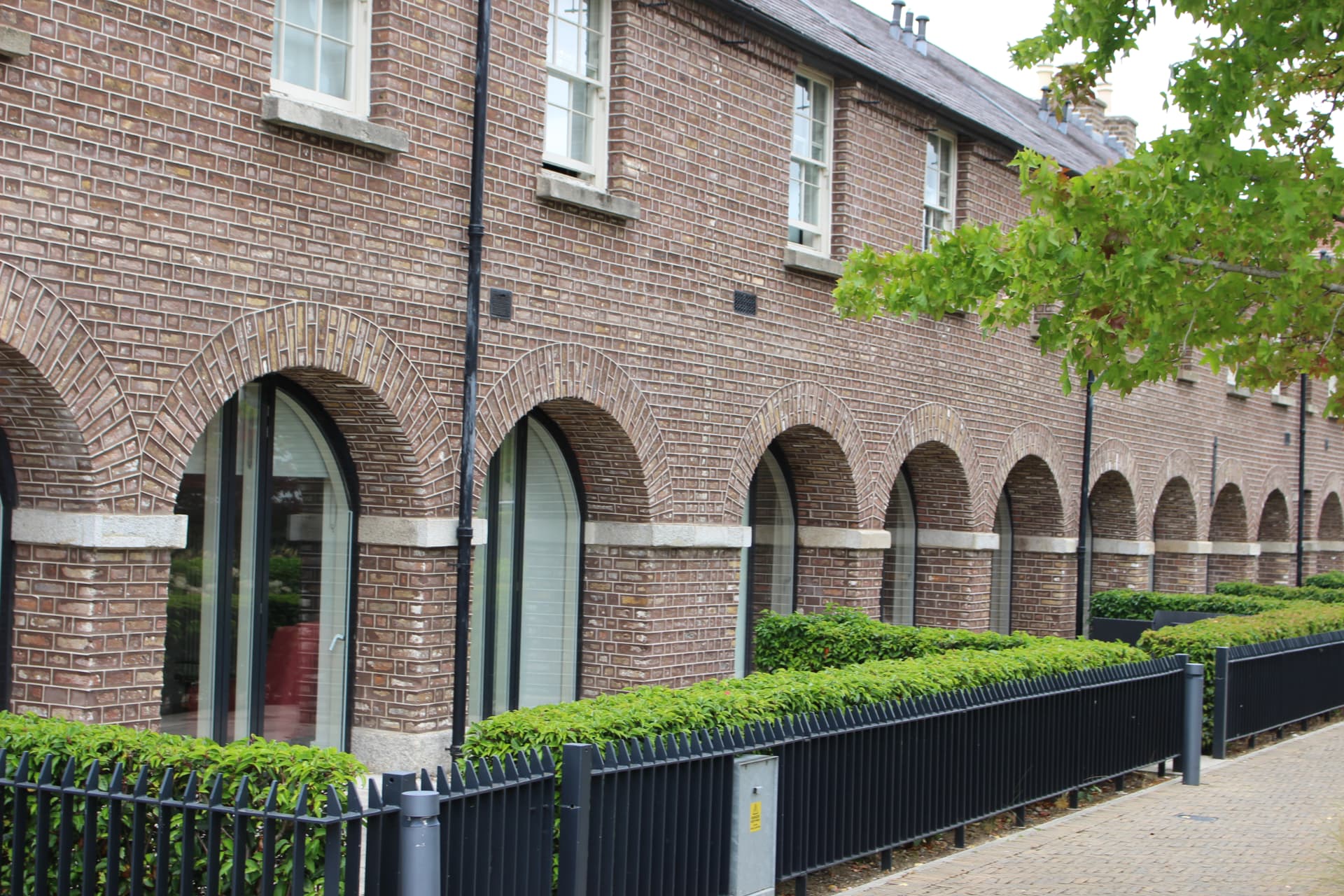
- Historic masonry repair and traditional repointing
- Before and after photographic record for the building file
Our process
- 01
Condition survey
Elevation-by-elevation inspection, soiling analysis and mortar sampling.
- 02
Trial panels
Test areas agreed with the architect and conservation officer before any general work.
- 03
Access
Independent scaffold designed to protect carved detail and public access.
- 04
Cleaning
The gentlest effective method, applied progressively rather than aggressively.
- 05
Repair
Stone indents, lime repairs and repointing in matched traditional mortars.
- 06
Handover
Full photographic record, maintenance guidance and defect-free inspection.
Benefits
- Removes damaging soiling without eroding original stone surfaces
- Restores the intended colour and modelling of the elevation
- Reinstates a breathable, weather-resistant façade
- Documented methodology that satisfies conservation consent